
0121 384 3244
Book Online
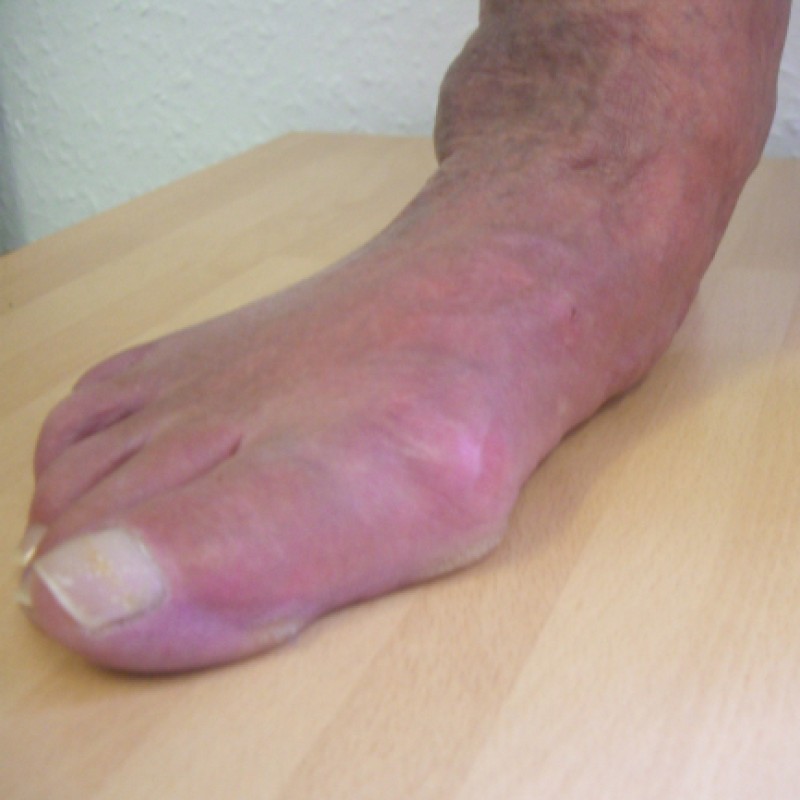
In a standing position, the inside of the foot should be raised slightly; this is called the arch of the foot. The height of this arch varies amongst individuals. Where a person has a very low arch or no arch at all, this is referred to as flat feet, fallen arches or ‘pronated’ feet. When someone with flat feet stands, their inner foot or arch flattens, and the foot often rolls over onto the inner side; therefore, the sole of the foot is fully touching the ground. Some people do not have any problems with this foot shape; however, it can lead to problems in the feet, ankles, knees, hips, and back due to overstraining the ligaments and muscles within the lower limbs.
Plano-valgus foot or Pes planus is the loss of the medial longitudinal arch of the foot. There are various types and causes of flat feet.
The flat arch does not occur in isolation but affects the dynamics of the foot. So, patients standing on a flat foot will usually have:
Symptoms depend greatly on the severity of the condition. Often people find that their foot is ‘rolling inwards’ or collapsing (known as over-pronating). Common areas for pain are; the inner side of the ankle, the arch of the foot and in the heel, calf, knee, hip and back.
Often flat feet run in families. You may find that there is an arch present when sitting, but when standing, the arch may completely flatten and make the leg feel like it is rolling inwards. Several things can cause the feet to flatten. Pes Planus may be divided into:
Pes Planus can be part of normal development: Infants typically have a minimal arch. Many toddlers have flattening of the long arch, with forefoot pronation and heel valgus on weight-bearing. There may be ligamentous laxity, which is probably determined genetically.
Most of these children spontaneously develop a strong normal arch by around age 6- 10 years of age. Abnormal development of the foot, producing pes planus, may be due to:
A small proportion of flexible flat feet do not correct with growth. Some of these may become rigid if the pes planus leads to bony changes.
There is a lack of normal arch development, probably due to inherent ligamentous laxity.
Around 20% of adults have pes planus. The majority have a flexible flat foot and no symptoms. However, there may be symptoms if there is also heel cord contracture. Adult acquired flat foot:
If there is no pain present with the condition, it is not necessary to do anything. However, it may be wise to be proactive in preventing problems from arising rather than being reactive and combating these problems when they occur.
For children, it would be best to discuss treatment options with your podiatrist at the Footfix clinic, who can decide if it is necessary to treat actively or not.
Certain treatment options are available if pain occurs during activity, such as sport, or is a part of everyday life. An assessment with your podiatrist is necessary to identify the severity of the condition and the appropriate treatment. You may require x-rays to determine the extent of the problem.
Orthotics may be prescribed to hold the foot in a stable position and help to prevent pain during everyday life and when exercising.
Higher activity levels often make this condition worse, for example, running. Continuing with this activity can put excessive stress on ligaments, tendons and muscles and should, therefore, be avoided until treatment has been sought. High heels should be avoided as these place a further strain on the foot.
Depending on the severity of your flat feet, various other complaints can develop in both the feet and legs if painful flat feet are left untreated. Flat feet can cause an inefficient style of walking and running, which can overstrain ligaments and muscles. Tears in these structures may occur if this is repeated over several years. This may lead to lower-leg symptoms and back pain.
Wearing supportive, well-fitted shoes can alleviate aching in the arch of the foot. This, however, may not be adequate, and you may require an insole or orthotic to support the arch and reduce the amount of collapsing (pronating). An orthotic is worn in the shoe. Orthotics are specifically made for your foot.
Call on 0121 384 3244 Book An Appointment