
0121 384 3244
Book Online
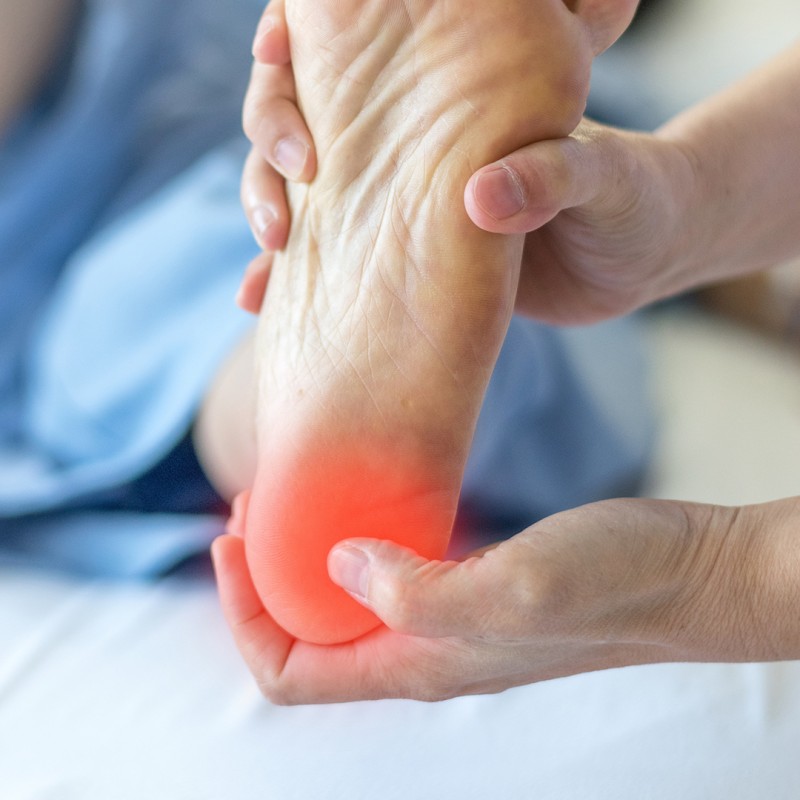
Heel pain is a sensation of pain in one or both heels. Pain may arise during sport or afterwards at rest. The pain may occur at various places around the heel area, for example, on the inner side of the heel or the back of the heel or the central portion.
Heel pain may occur due to a variety of causes. Sporting injuries or other accidents account for some heel pain. Chronic heel pain may also be associated with localised arthritis or biomechanical abnormality within the foot, ankle or lower limb. However, one of the main causes of heel pain among adults is plantar fasciitis.
Although it is predominantly adults who suffer from heel pain, it is possible that children can suffer from this problem as well. The leading cause of heel pain in adults is plantar fasciitis. The main cause of peadiatric heel pain is called Calcaneal Apophysitis, or Sever's Disease.
Foot posture is often the cause of heel pain. If you suspect that you have a heel problem that is caused by the posture of your foot during standing, walking or running, your first port of call should be to visit a podiatrist to accurately diagnose and treat the heel pain, you could also try a good quality insole in your shoe. We have some excellent silicone gel heel cups in our store.
Calf stretching exercises can also help to alleviate the pain felt in your heel; however, this is not a permanent fix. Topical treatments such as Biofreeze or Traumeel can also be of help to reduce the pain felt in the heel.
For children, we have a good range of quality insoles that help to stabilise the feet and offer great arch support to help with heel pain and flat feet.
If you have tried the steps above and are still experiencing heel pain, you should arrange a podiatry appointment at footfix. We can accurately assess and diagnose the root cause of your heel pain and help you treat it, allowing you to continue with your everyday life pain-free.
If you have heel pain, it is not advisable to ignore the pain as you may be causing more damage to the heel.
If your foot posture is causing your heel pain, it is unlikely to resolve without treatment and, in turn, will only worsen with time.
Our primary focus at footfix is managing heel pain that is caused or at least aggravated by some form of biomechanical abnormality.
The first thing we will do is recommend weight-bearing x-rays to rule out any other boney deformity. We do this in our clinic and go through the results with you at the time of the x-ray. A variety of muscular and/or skeletal conditions within the lower leg, ankle or foot can lead to excessive pronation (flattening) of the foot. This, in turn, causes an abnormal amount of drop in the longitudinal arch of the foot. This is typically assessed during the course of a complete biomechanical examination.
Heel pain induced by biomechanical abnormality is commonly increased when first getting up, after a prolonged period of time sitting or on first rising in the morning.
If our initial clinical examination of your heel reveals the presence of localised inflammation, we will advise appropriate measures for reducing this. This may involve a specific oral anti-inflammatory medication regimen or homoeopathic regimen, the application of intermittent direct icing and/or a course of ultrasound treatments.
Once the inflammation has subsided, it is essential to determine the exact nature of the biomechanical abnormality that is causing the heel pain. The range of motion of the forefoot, midfoot, rearfoot, ankles, knees and hips are measured. Limb lengths are measured to check for significant length differences. Muscular weaknesses and/or tightness are noted as well. This one-hour examination includes digital video gait analysis on a treadmill.
Custom-made orthotics must be based on the findings of a complete biomechanical assessment. Then, a plaster or paris cast impression of your feet (held in their neutral functional position) is taken and sent to a laboratory that specialises in fabricating custom-made orthotic devices.
If your heel pain still has not settled with ultrasound therapy, orthotic therapy and muscle strengthening exercises. Radial Shock Wave Therapy may be a form of treatment suitable for your condition.
We are one of very few practices in the country that have this type of treatment. Please contact our podiatrists about this if you think it may benefit you.
Call on 0121 384 3244 Book An Appointment