
0121 384 3244
Book Online
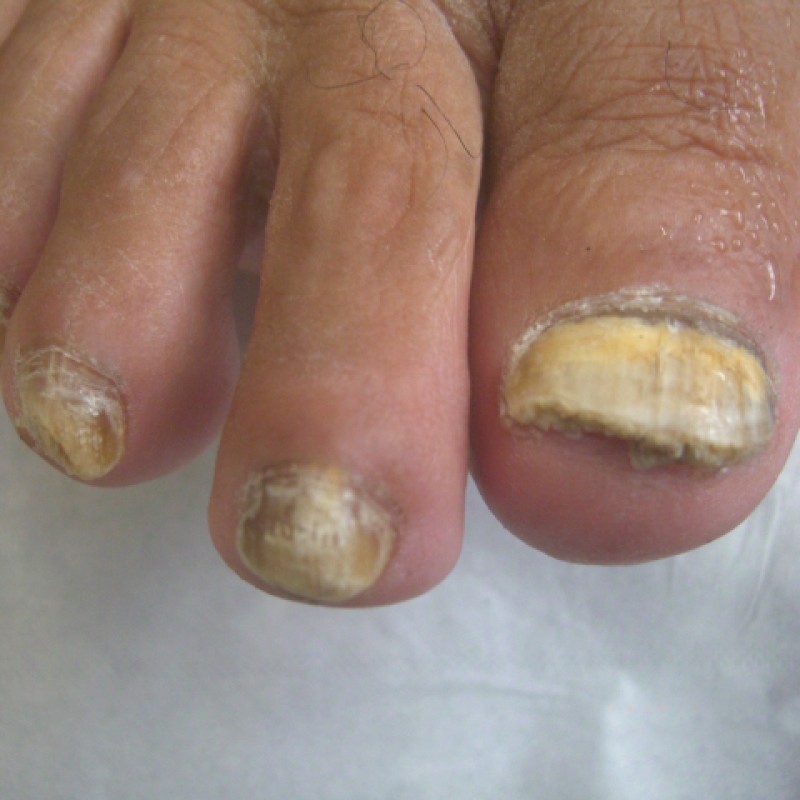
The condition is an infection underneath or lying on the top surface of the nail caused by fungi. When the tiny organisms take hold, the nail often becomes darker in colour and foul-smelling. Debris may collect beneath the nail plate, white marks frequently appear on the nail plate, and the infection is capable of spreading to other toenails, fingernails and even other parts of the body to create things such as jock itch.
The nail may appear thickened and discoloured and can sometimes be crumbly; the nail could also become discoloured and turn white, black, yellow, brown or green.
If ignored, the infection can spread and possibly impair one's ability to work or even walk. This happens because the resulting thicker nails are difficult to trim and make walking painful when wearing shoes. Fungal nails can also be accompanied by a secondary bacterial or yeast infection in or about the nail plate.
Because it is difficult to avoid contact with microscopic organisms like fungi, the toenails are especially vulnerable around damp areas where people are likely to walk barefoot, such as swimming pools, locker rooms, and showers. Injury to the nail bed will often make it more susceptible to all types of infection, including fungal infection.
Those who suffer from chronic diseases, such as diabetes, circulatory problems, or immune-deficiency conditions are especially prone to fungal nails. Other contributing factors may be a history of athlete's foot and excessive perspiration.
Proper hygiene and regular inspection of the feet and toes are the first lines of defence against fungal nails. Clean and dry feet are often more resistant to fungal disease. Washing the feet with soap and water, remembering to dry thoroughly is the best way to prevent an infection.
We would also recommend that you change your socks at least once per day, and after excessive exercise, that could cause your feet to become sweaty. We recommend moisture-wicking socks as this can help prevent moisture buildup around your feet. You should also wear correctly fitting shoes made from a breathable material.
Some other good fungal prevention tips include:
If you have a fungal nail, you should seek professional advice from a podiatrist.
Treatments may vary depending on the nature and severity of the infection. A daily cleansing routine over a period of many months may temporarily suppress mild conditions. White markings that appear on the nail's surface can be filed off, followed by the application of an over-the-counter liquid antifungal agent. However, even the best over-the-counter treatments may not prevent a fungal infection from coming back.
Your Podiatrist at the Footfix clinic can detect a fungal infection early, determine the cause, and form a suitable treatment plan, including topical medication and debridement (removing diseased nail matter and debris) of an infected nail.
In some cases, surgical treatment may be required. Temporary removal of the infected nail can be performed to permit direct application of a topical antifungal. Permanent removal of a chronically painful nail that has not responded to any other treatment permits the fungal infection to be cured and prevents the return of a deformed nail.
If you suspect you have a fungal nail infection, book an appointment with us here at Footfix. We are highly trained and HCPC registered podiatrists and will be able to give you the best advice for the treatment and prevention of fungal nail infections.
Call on 0121 384 3244 Book An Appointment